


The International Monetary Fund (IMF) is predicting that real GDP growth for Dominica will average 3 per cent in 2026/2027.
The IMF stated that this growth is supported by continued strategic investment in flagship infrastructure projects, before gradually slowing to around 2 per cent as construction winds down.
Dominica has recorded real GDP growth, which accelerated to 4.5 per cent in 2025, up from 3.5 per cent in 2024.
This growth, the IMF stated, was primarily driven by Dominica’s robust tourism sector, which recorded a 36 per cent increase compared to pre-pandemic levels.
Additionally, targeted development investments and easing inflation, averaging 2.3 per cent in 2025, contributed to this positive trend.
However, Dominica’s current account deficit remained high, at 38 per cent of GDP in 2025, which is significantly above its estimated norm.
This elevated deficit is mainly due to substantial imports related to construction activity.
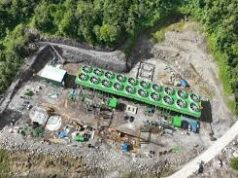
The IMF notes that the strong execution of key infrastructure projects, including resilient roads and geothermal transmission lines, interrupted the steady fiscal adjustments of previous years, resulting in a widening of the primary deficit to 4.5 per cent of GDP for the fiscal year 2024/2025.
While public debt has decreased sharply from its post-pandemic peak of 118 per cent of GDP, it remains elevated at an estimated 103 per cent of GDP for this fiscal year, well above the 60 per cent regional benchmark.
The IMF also stated that Dominica’s financial system is stable and liquid, with bank credit growth strengthening modestly to 1.6 per cent in 2025. Furthermore, the credit union sector continues to expand, now representing 53 per cent of total private sector credit.